The Ultimate Stress Reduction Guide for Father's Day Gift Shopping Success
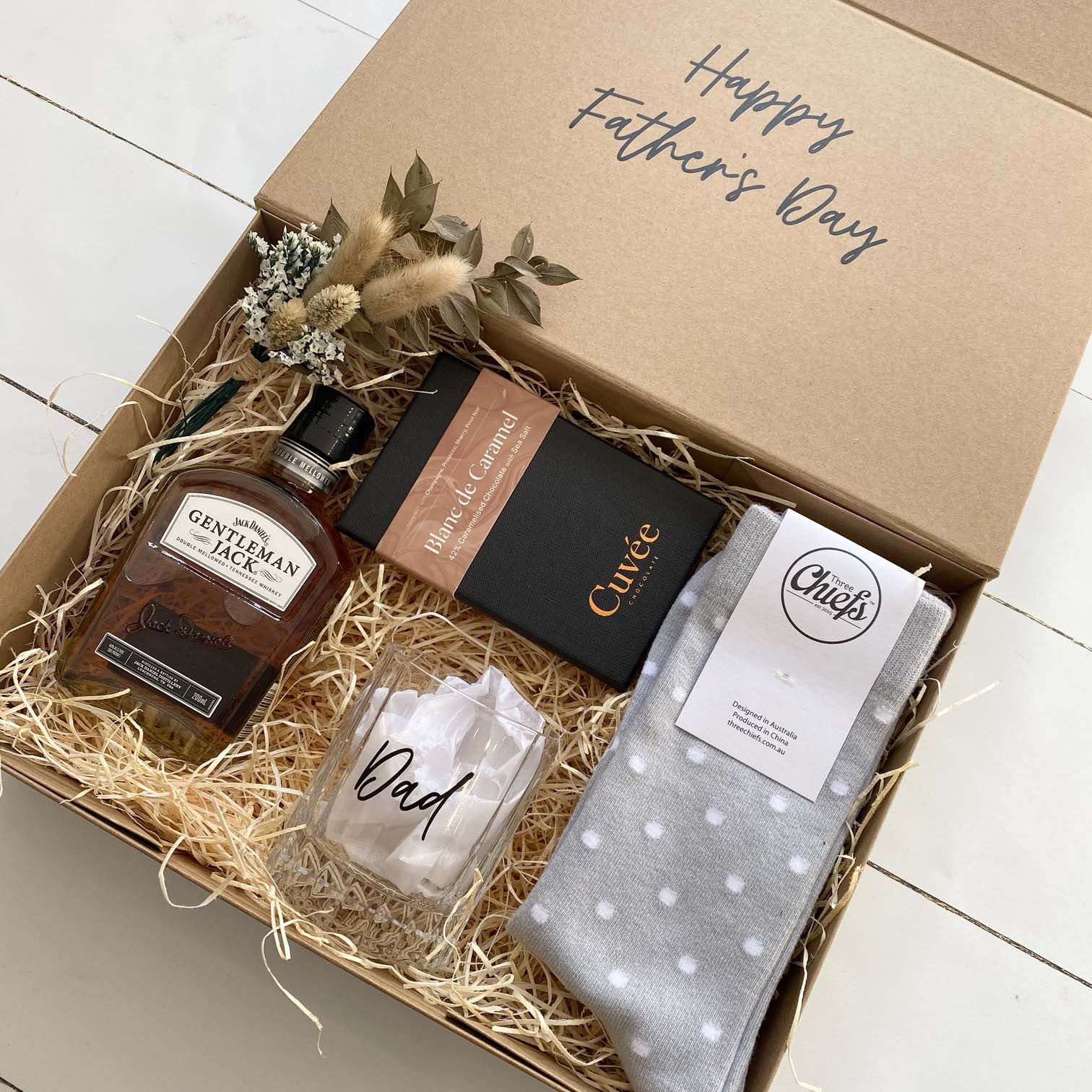
The annual cycle of gift shopping can feel less like an act of love and more like navigating a minefield of expectations. You want to find that perfect thing—something meaningful, thoughtful, and ideally, something that truly helps him unwind. But the pressure is immense, and suddenly, finding the ideal stress reduction tool feels like solving a complicated puzzle blindfolded. If you are currently staring at endless Executive Gift Set Amazon listings, feeling the weight of expectation settle on your shoulders, take a deep breath. You don't need to buy a magic cure; you just need a guide.
This comprehensive stress reduction guide for father's day gift shopping is designed not only to help you select thoughtful gifts but also to de-stress you in the process. Because remember: the goal isn’t just the gift, it’s the moment of connection that comes with giving it.
Shifting Focus: From "Gift" to "Experience"
The biggest trap most people fall into when shopping is thinking they must buy a physical object. While gadgets and accessories have their place, truly effective stress relief often requires an experience or a shift in routine—things you can’t wrap up with ribbon. Instead of searching for the perfect item on a shelf, try to observe his habits over the last few months. What does he do when he finally has 20 minutes completely alone? Does he gravitate toward the newspaper and a cup of coffee, or does he immediately reach for a video game controller?
A helpful metaphor here is viewing stress like an empty cup. Buying him something material only adds water to the surface; true relief comes from addressing where the leak is—the source of his mental exhaustion. Observing these small moments gives you a profound insight that no "gift idea list" can provide. What questions should you be asking yourself before hitting ‘Buy Now’?
- What does he complain about when he thinks you aren't listening?
- When does he look most genuinely relaxed in the last year?
- Does he prefer quiet solitude or engaging activity with others?
Curating Meaning: Thoughtful Stress Reduction Gift Ideas
Once you understand his unique stress triggers, the gift categories become much clearer. We can group potential gifts into three main pillars of restoration: Mind, Body, and Time. These types of gifts provide maximum value because they speak directly to a need for genuine respite.
Gifts for the Mind (Mental Decompression)
These gifts help him redirect cognitive energy away from work or worry. This could be anything that requires focused but enjoyable attention—a challenging jigsaw puzzle related to his hobbies, an audiobook subscription service he can listen to during commutes, or an online course in a subject purely for pleasure (like history or astronomy).
Gifts for the Body (Physical Restoration)
Stress manifests physically, so physical relief is critical. Extra resources This doesn't have to be expensive. Consider:
- High-quality massage tools (a simple foam roller can work wonders).
- A subscription box of gourmet teas and comfortable reading socks.
- Gift certificates for a local sauna or professional deep tissue massage.
Gifts for the Spirit/Time (Creating Space)
These are often the hardest to buy, but they provide the most profound relief. The gift here is permission. Permission to slow down, permission to unplug, and permission to do something entirely unproductive—which is exactly what we need sometimes! A beautifully planned "day of no chores" or a weekend trip dedicated purely to his interests falls into this category.
As one expert once noted: "The greatest gift you can give someone struggling with stress is the luxury of time." This perspective helps shift your budget from purchasing things to purchasing moments.
Navigating the Shopping Maze Without Burning Out
Let’s be honest: the act of gift shopping itself can be a source of significant stress. You don't want to go into this process feeling drained and defeated before you even wrap the present. So, how do you shop smart without stressing yourself out?
The key is setting boundaries and creating a system that feels manageable. Instead of treating it like one massive scavenger hunt, break it down into micro-missions. Maybe dedicate Saturday morning solely to researching "outdoor relaxation gadgets," and then move on to nothing else until the next week. This compartmentalization keeps the stress from building up like steam in a kettle.
Remember this anecdote: Last year, I was so overwhelmed trying to find a gift that would fix my friend's chronic exhaustion that I almost gave up entirely. I finally stopped looking at "solutions" and instead just asked him what he enjoyed doing most—even if it was nothing. Turns out, his favorite thing was sitting in the park with no agenda. The best gift? A fancy thermos and a book of local poetry. It wasn't high-tech; it was perfectly tailored to his simple joy.
This process reinforces that the perfect stress reduction guide for father's day gift shopping isn't about cost or brand name; it’s about deep listening. How can you use your time efficiently? By making a shortlist of three ideas—one experiential, one physical, and one purely mental.
Building Lasting Connections Beyond Father's Day
The most thoughtful approach to giving gifts is realizing that the holiday should be a catalyst for ongoing connection, not just a singular event. If he genuinely values relaxation, your gift-giving mindset can become his annual routine of self-care.
Consider implementing one or two low-pressure rituals throughout the year:
- The Monthly "No Task" Date: A non-negotiable outing with zero agenda (no shopping, no errands).
- Shared Skill Building: Learning a simple craft together, like making bread or mixing cocktails—a shared activity that promotes focus and fun.
By focusing on these consistent acts of presence, you ensure that the care doesn't feel transactional. You move beyond just solving the immediate problem of "what to buy" and start building a continuous support system for his well-being. This sustained effort is the ultimate stress reduction gift—the knowledge that he has your steady support throughout the year.
As you plan ahead, think about how these strategies can become part of your family's annual rhythm. What simple habit can you all adopt together to reduce everyday friction? By making intentional choices around leisure and connection, you ensure that the care continues long after the wrapping paper is discarded.