The Best Ways to Make a Simple Item Feel Incredibly Luxurious and Unique
We live in an age of hyper-saturation. Everything is available, everything is marketed as "premium," and frankly, everything feels… ordinary. It’s easy to look at a basic wooden cutting board or a plain ceramic mug and think, "This is it? This is the best I can do?" The answer, thankfully, is no. Luxury rarely comes from an item's inherent cost; it arrives through perception.
The true secret of elevated design isn't spending more money—it’s applying thoughtful intention. It's about transforming the mundane into a moment of quiet wonder. If you want to learn the best ways to make a simple item feel incredibly luxurious and unique, you need to stop thinking like a consumer and start thinking like an alchemist, ready to transform lead (the basic object) into gold (an elevated experience).
Elevating the Senses: Mastering Tactile Delight
Luxury is intrinsically sensory. If an item doesn't engage at least two of your primary senses—sight, touch, smell, sound—it will always feel incomplete. The simplest approach here is to mess with texture and weight. Does a plain piece of stationery suddenly feel grander if it has the satisfying heft of thick cotton rag paper? Absolutely.
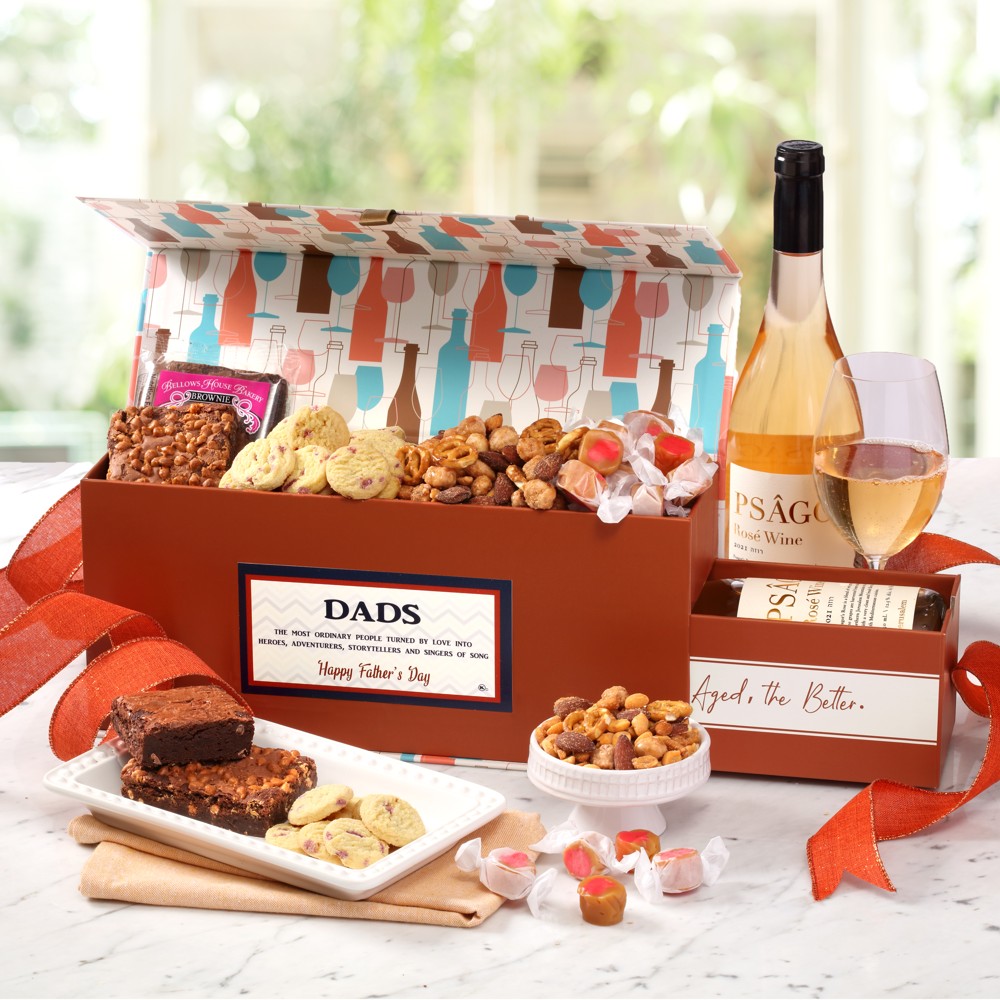
The easiest way to inject luxury into an everyday object is through its tactile experience. Consider hardware: swapping cheap, flimsy drawer pulls for weighty brass or matte black iron can instantly anchor a piece of furniture in sophistication. This principle applies everywhere—from packaging ribbon that feels expensive to the zipper pull on a jacket that Father's Day Gifts has solid metal teeth instead of plastic.
The Power of Unexpected Materials
Don't limit yourself to what is "supposed" to go with an object. If you are elevating a simple glass vase, for example, consider adding a base layer of polished river stones or placing it on a piece of richly veined velvet. This juxtaposition—the smooth coolness of the glass against the deep texture of the fabric—is where magic happens.
Curating Context: The Visual Stage and Presentation
A beautiful item presented poorly is merely an item. A mediocre item presented gorgeously becomes a statement. If you are trying to find the best ways to make a simple item feel incredibly luxurious and unique, look first at how it will be seen.
Presentation requires treating the object Nuts and Snacks like a performance piece. This means paying attention not just to the object itself, but everything around it. Are your napkins folded into origami swans or simply stacked? Is the cutlery placed in a rustic wooden caddy or left haphazardly on the counter? These small details create a narrative of care that far outweighs the cost of any single upgrade.
One time, I was giving gifts to friends and realized how much presentation mattered. I had bought three identical, basic candles. For one friend, I wrapped them in simple tissue paper; for another, I placed them inside a vintage wooden box with dried lavender sprigs and a handwritten note on aged parchment. The difference wasn't the candle—it was the ritual of receiving it.
Infusing Story: Giving Objects Provenance and Purpose
The most powerful tool at your disposal is narrative. Nothing screams "luxury" like a story that feels authentic. When you know where something came from, who made it, or what historical process created it, its perceived value skyrockets. This turns an object into an heirloom in the making.
Instead of saying, "This is a coaster," try framing it as: "This coaster features hand-stained reclaimed walnut wood salvaged from a dismantled Victorian reading room." See how that shifts the conversation? You haven't changed the physical object; you’ve changed its history.

Remember this quote by Maya Angelou: "People will forget what you said, people will forget what you did, but they will never forget how you made them feel." For an item, feeling is synonymous with story. How does it make the user feel? Cherished? Important? Connected to something larger than themselves?
Beyond Modification: The Ritual of Use
The final frontier in elevating a simple object involves its usage—the ritual. If you want to maximize your chances finding the best ways to make a simple item feel incredibly luxurious and unique, focus on turning routine into ceremony.
This shifts the emphasis from what the object is, to how it makes you behave. Are you using the coffee machine quickly while running out the door, or are you taking ten minutes to slowly grind beans, pour hot water over a filter, and savor the process? The difference in your routine fundamentally changes the perceived value of that simple mug.
- Develop an intentional routine: Don't just use the item; perform an act with it.
- Invest in quality upkeep: A well-maintained object signals respect—for itself and for its owner.
- Curate accompanying items: Pair your basic piece with something complementary, like a specific type of tea or a unique playlist.
What if we approached our daily tools not as necessities, but as props in the grand theatre of our lives? Wouldn't that change everything? The effort required to find the best ways to make a simple item feel incredibly luxurious and unique is often less about spending money, and more about demanding thoughtfulness from every corner of your life.
Crafting a Life of Elevated Details
Mastering the art of elevating the everyday means adopting an attitude of appreciative scrutiny. It’s not about making everything expensive; it's about making everything feel considered. Start small: choose one item this week—a key ring, a pencil holder, a napkin—and apply at least two of these principles (texture, story, or ritual).
By focusing on the narrative and the physical interaction with your belongings, you transform mere possessions into cherished components of a beautifully curated life. Go forth and elevate!